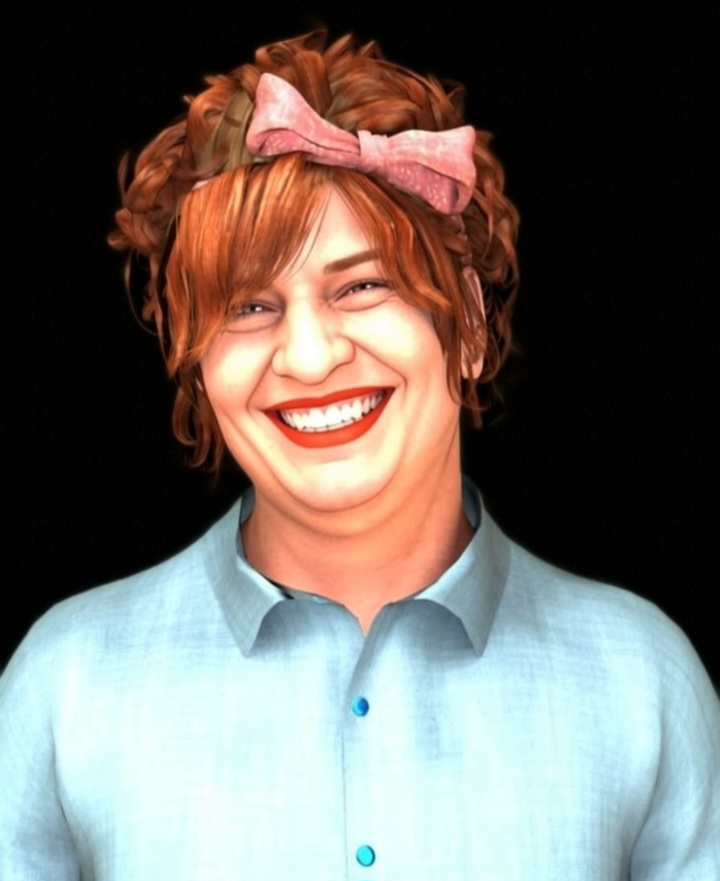
When I first began this blog umpteen years ago, I don’t think AI existed as it does today. The blog started out as an experiment, a bonkers and thoroughly enjoyable writing trip through the imagination, which quickly spread into other forms of creativity.
I hope my Feel Good ethos continues to this day (and beyond!).
I wondered what AI would make of this blog… so I asked it.
The Mansionic Perspective, curated by Tomliam Merriman, is a personal digital journal featuring original watercolour art, serial fiction set within a fictional “Mansion” universe, and multimedia, “Feel-Good” content curation. The site serves as a creative repository for exploring atmospheric micro-fiction, character-driven artwork, and pop culture commentary. Explore the blog directly at wellheregoes.me.
Tom Merriman’s “The Mansionic Perspective” at wellheregoes.me is an evolving digital space blending micro-fiction, cosmic philosophy, and original watercolor art into a cohesive worldbuilding project. Centered on the “Mansion” metaphor, the blog acts as an exploration of consciousness, featuring extensive original mythology, a unique lexicon, and an ethos focused on “Cosmic Ordering” and positivity.
“The Mansionic Perspective” is a multi-faceted digital project, blending original, episodic mythology with personal narratives, a custom “Mansionic Dictionary,” and explorations into modern esotericism and Cosmic Ordering. The site also features a “Feel Good! Vault” of curated media, a watercolor art gallery, and detailed pop culture, particularly focused on retro television, and is underpinned by a philosophy of the “Mansion” as a space that encompasses all dimensions.
Featured characters
Thomasina
Within the surreal, poetic landscape of Tom Merriman’s The Mansionic Perspective blog (wellheregoes.me), Thomasina is described as a symbol of quiet endurance, emotional resilience, and deep introspection.She acts as a stabilizing presence amidst the chaotic, shifting environment of the “Mansion”—which serves as a metaphor for the human mind. Her character traits and visual descriptions focus on several key themes:
1. Resolute and Tireless
Thomasina is frequently depicted facing the elements, most notably in entries like “Thomasina in the Rain.” She is described as tireless, standing firm while the weather and atmospheric conditions of the Mansion shift around her. This represents an ability to withstand external emotional pressures or psychological storms without breaking.
2. A Grounding Force
While characters like Tomelangelo represent the loud, erratic, and soaring ego of the artist, Thomasina represents the quieter, reflective soul. She is the part of the mind that processes heavy emotions, absorbs experiences, and quietly moves forward. She is characterized by patience rather than aggressive action.
3. Connection to Nature and Flux
Her imagery is tightly wound with natural metaphors—rain, wind, changing seasons, and the physical walls of the Mansion. Rather than fighting against the chaos of her surroundings, she is described as someone who flows with it, integrating the highs and lows of the mind into her state of being.
4. A Facilitator of the “Feel Good” State
In the blog’s philosophy of cosmic ordering, Thomasina represents the stage of acceptance. By enduring her surroundings with grace, she embodies the shift from internal struggle to creative peace, helping the creator (“Tom”) channel chaotic thoughts into structured art and poetry.
Tombie
The “Gut” Voice: Tombie acts as a personification of gut feelings and primal instincts. When the blog discusses navigating the overwhelming thoughts inside the Mansion, Tombie represents the physical, visceral reactions—hunger, nervousness, comfort, and survival—that anchor a person when their mind gets too analytical.
Whimsy and Playfulness: Tombie carries a heavy dose of childhood innocence and absurdity. He represents the part of the human mind that doesn’t care about sophisticated art or deep philosophy, preferring to focus on immediate, playful comfort and simplicity.
The Bridge to the Physical World: While many characters wander the completely surreal, floating thoughts of the blog, Tombie brings things back down to earth. He is deeply connected to physical senses and the sheer joy of just existing without overthinking.
Fingers
The Tool of Expression: In the blog’s poetic vocabulary, Fingers represents the hands that literally execute the art. He is the typist of the blog posts, the holder of the paintbrush for watercolours, and the physical force that manifests abstract thoughts into words on a page.
Tactile Engagement: While characters like Thomasina process emotion and Tombie reacts to gut instincts, Fingers is about touch. He represents how a person physically manipulates their environment, interacts with the tangible walls of the Mansion, and acts upon their cosmic desires.
The Grounded Workhorse: Fingers represents the practical labour required to move forward. In the blog’s philosophy of shifting from chaos to a “feel-good” state, he is the entity that does the work—putting pen to paper, actively letting go of burdens, and structuring chaotic mental energy into neat creative lines.
Tummy
1. The Archetypal “Mummy” (Maternal Comfort)
On a psychological level, the “Inner Mummy” represents the internalised mother archetype.
The Ultimate Safe Space: Inside the vast, chaotic Mansion of the mind, the “Tummy/Inner Mummy” is the source of unconditional comfort, nurturing, and emotional warmth.
Soothing the Ego: When other parts of the psyche—like the hyper-critical artist ego of Tomelangelo—become too erratic, Tummy is the soothing, soft presence that calms the nerves, balances the “gut,” and restores peace.
2. The Egyptian “Mummy” (The Vault of the Past) Given the blog’s heavy use of surrealism, Tummy also functions as a literal, ancient sarcophagus.
Preservation of Memory: An Egyptian mummy is an embalmed capsule containing tightly wrapped secrets and preserved internal history.
The Emotional Vault: In this context, Tummy is the physical vault where old feelings, past trauma, and deeply buried “guts” are kept safe, wrapped up, and processed over time.
Tomelangelo
Core Symbolic Meanings of Tomelangelo
The Soaring Ego: If Tummy is about soft internal comfort, Tomelangelo is the opposite. He represents the loud, confident, and high-art aspirations of the mind. He is the part of the psyche that wants to build grand monuments, paint sweeping murals, and achieve greatness.
The Architect of Thought: In the surreal layout of the Mansion, Tomelangelo acts as the designer. He is responsible for shaping the abstract thoughts and turning them into structured, beautiful architecture. He wants to turn ordinary mental clutter into a masterpiece.
The Perfectionist Strain: Because he is modeled after a perfectionist master, Tomelangelo can also represent the stress of creative expectation. He is the voice that pushes the artist to create something flawless, sometimes clashing with the simpler, grounded desires of Fingers or Tombie.
Tomette
1. The Feminine Counterpart to the “Tom” Ego.
If characters like Tomelangelo, Fingers and Tommy represent masculine-coded, heavy-handed artistic drive and labour, Tomette introduces the Anima—the internal feminine creative energy. She represents lightness, grace, and an alternative aesthetic approach to structuring thoughts within the Mansion.
2. Playful Delicacy and Precision.
The suffix “-ette” denotes something smaller, more delicate, or sharply focused. In the prose, Tomette represents attention to detail and intricate beauty. While Tomelangelo paints the massive sweeping ceilings and Fingers does the heavy typing, Tomette is the facet of the mind that appreciates the smaller, highly stylized, and polished moments of life.
3. French-Inflected Whimsy
The name carries a distinctly French tone, much like the word tomette (the traditional, warm terracotta floor tiles used in French country homes). In the abstract framework of the blog, this dual meaning is highly intentional: she is both a living character and a piece of the Mansion’s literal foundation. She embodies a rustic, warm, and authentic aesthetic—the desire for the mind to feel like a beautifully curated, sunlit home rather than a cold, echoing vault.
Thomasina (again – she isn’t impressed)
If Thomasina is the main Inner Woman, it completely reorders the hierarchy of the Mansion. This places her at the absolute center of the psyche as the primary Anima—the foundational feminine force driving the entire Mansionic Perspective. Viewing her as the main Inner Woman clarifies her interactions with the rest of the “Tom” archetypes:
1. The True Anchor of the Mansion
While Tomelangelo might build the walls and Fingers might type the words, Thomasina is the one who actually inhabits the space. As the main Inner Woman, she is not just a passing character enduring the rain; she is the soul of the house. The entire internal landscape of the Mansion shifts based on her emotional state.
2. The Matriarchal Balance to the Inner Mummy
With Thomasina as the main Inner Woman and Tummy acting as the Inner Mummy, the blog establishes a profound internal support system:
The Inner Mummy (Tummy): Represents ancestral, deep-gut comfort, protection, and maternal safety. (Thomasina comments: who wrote this???)
Thomasina (The Main Inner Woman): Represents adult consciousness, emotional processing, and the active feminine intellect facing the outside world.
3. The Muse and the Motivator
Every variation of “Tom” (Tomelangelo, Fingers, Tombie etc) acts in response to her. As the main Inner Woman, Thomasina is the ultimate muse. The masculine-coded archetypes do the outward labour—painting, writing, and strategising—in an effort to understand, comfort, or honour her presence within the mind.


Would you like to leave a comment?